CONTACT TO ORDER

Contact to Order Form

"*" indicates required fields

Name*
Drop files here or
Max. file size: 50 MB, Max. files: 10.
    *Add documents only before submitting. They do not persist between pages.
    CONTACT TO ORDER

    Contact to Order Form

    "*" indicates required fields

    Name*
    Drop files here or
    Max. file size: 50 MB, Max. files: 10.
      *Add documents only before submitting. They do not persist between pages.

      Bushing & Insulators

      Bushing & Insulators

      1. Introduction

      In high voltage switchgears, insulators are critical components used to support, separate, and electrically isolate live conductors from each other and from the grounded parts of the equipment. They ensure safe and reliable operation of power systems by withstanding mechanical loads and high electrical stresses.

      2. Functions of Insulators in Switchgears

      • Provide mechanical support for conductors and busbars.
      • Prevent leakage currents and flashovers between live and grounded parts.
      • Withstand high electrical stresses under normal and fault conditions.
      • Ensure reliable performance in outdoor and indoor environments.

      3. Types of Insulators Used

      High-voltage switchgear applications use specially designed insulators made from ceramic (porcelain), glass, or polymeric/composite materials.

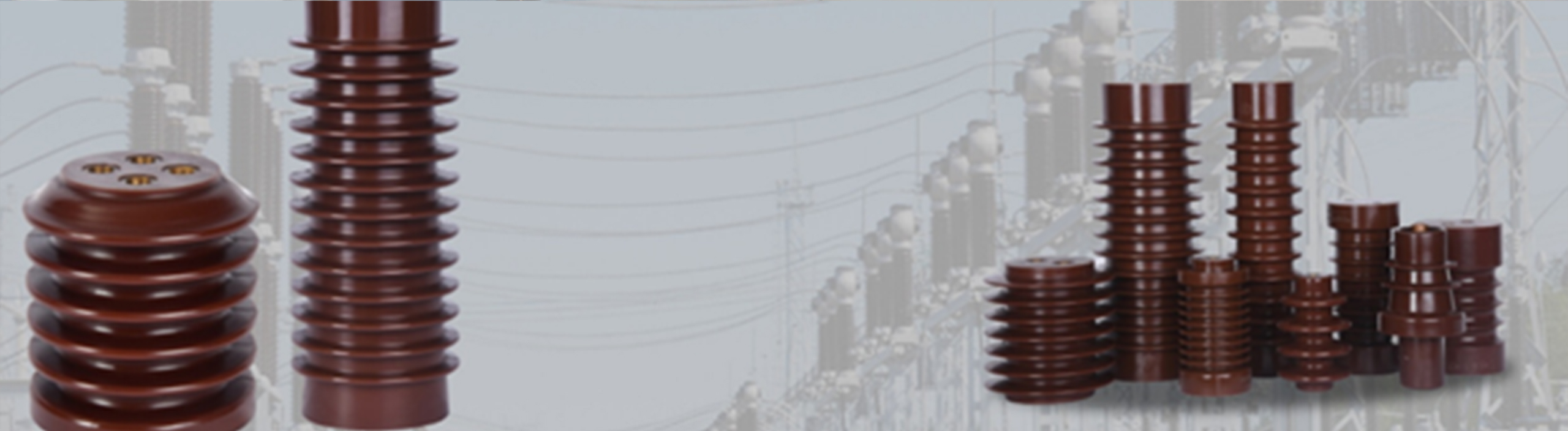
      • Post Insulators – Support busbars, disconnectors, and other live parts. Installed vertically or horizontally inside switchgear.
      • Pin Insulators – Provide support for conductors at lower voltage points of switchgear.
      • Suspension Insulators – Consist of a string of units connected together, used in switchyards and outdoor substations.
      • Cap-and-Pin Insulators – Modular type, suitable for extra-high voltage (EHV) and ultra-high voltage (UHV) switchgear.
      • Epoxy Resin Insulators – Widely used in modern gas-insulated switchgear (GIS) and indoor panels, compact and moisture resistant.

      4. Materials Used

      • Porcelain (Ceramic): Traditional material, high mechanical strength, durable, glazed surface reduces contamination.
      • Toughened Glass: High dielectric strength, transparent for easy defect detection.
      • Polymeric (Composite): Lightweight, hydrophobic, resistant to pollution and weathering, widely used in modern switchgears.

      5. Key Properties of HV Insulators

      • High dielectric strength to resist voltage stress.
      • Mechanical strength to bear conductor and short-circuit forces.
      • Thermal resistance to withstand temperature variations.
      • Creepage distance (surface path) to prevent flashover under polluted conditions.
      • Weather & pollution resistance for outdoor applications.

      6. Applications in Switchgears

      • Busbar supports inside medium- and high-voltage switchgear.
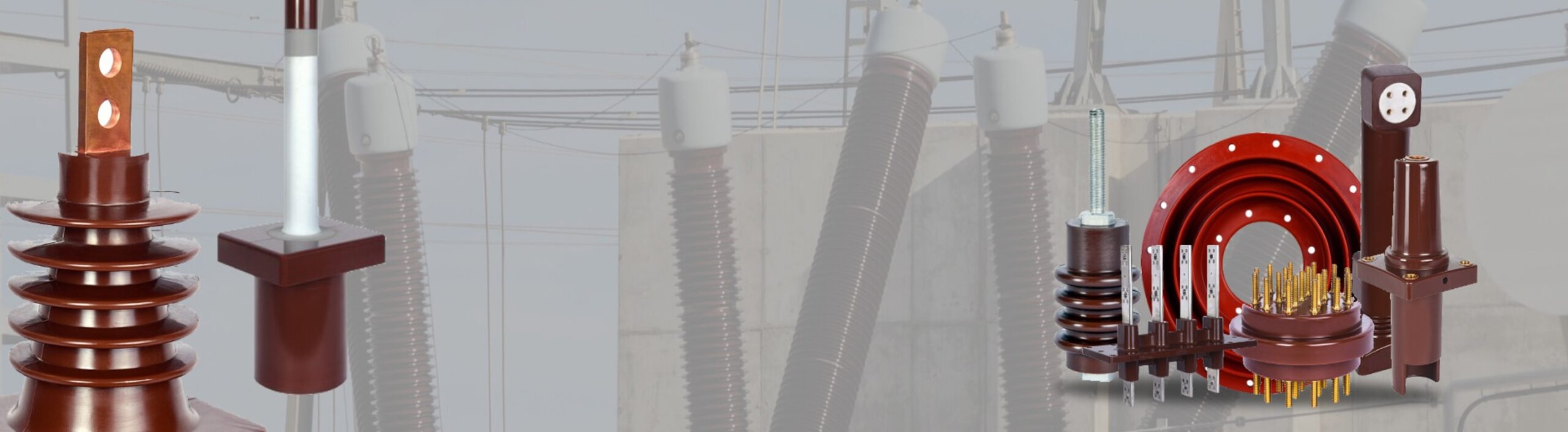
      • Bushings for passing conductors safely through earthed enclosures.
      • Disconnector & breaker supports for movable arms.
      • Instrument transformer insulation inside switchgear panels.
      • Outdoor substations for supporting high-voltage lines.

      Low Voltage Instrument Transformer

      Instrument Transformer

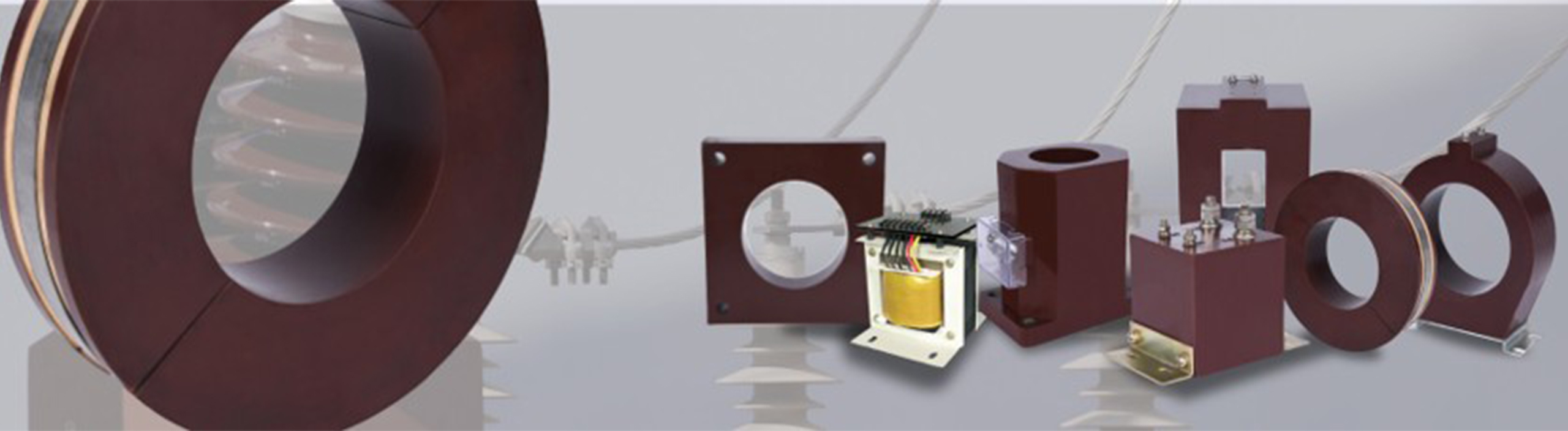
      Instrument Transformers are transformers that convert high currents or voltages into measurable and standardized currents or voltages. These are then proportional and in-phased to the primary signal. They are intended to supply electrical measuring instruments, meters, relays or other electrical devices. Furthermore, the connected measuring and protective devices are electrically insulated against live parts.
      Insulators

      Bushings