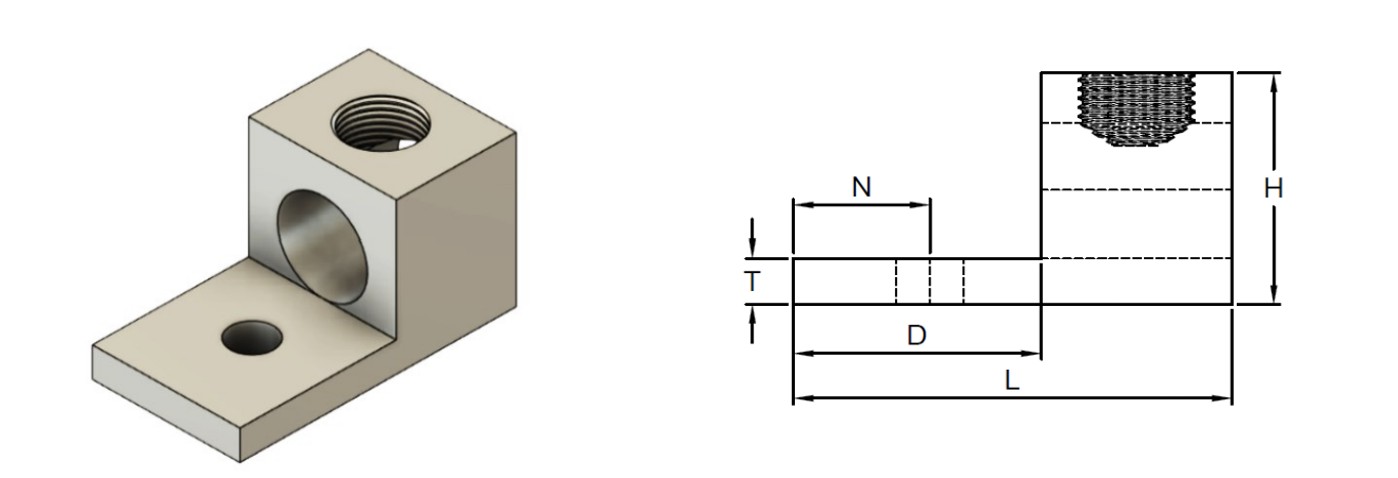
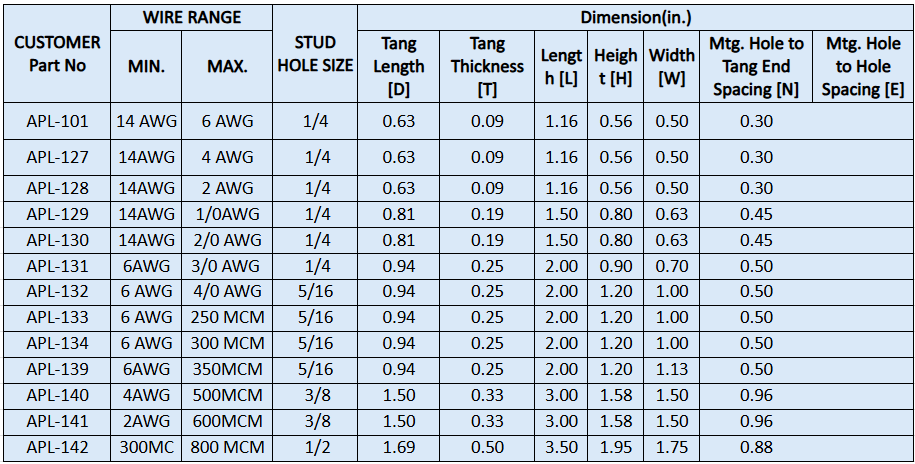
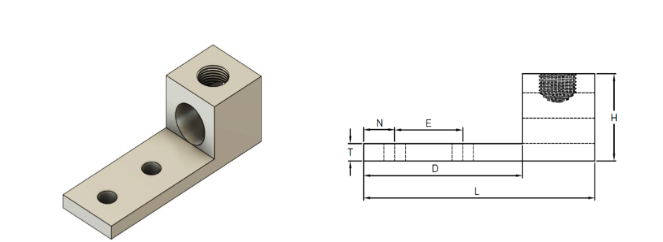
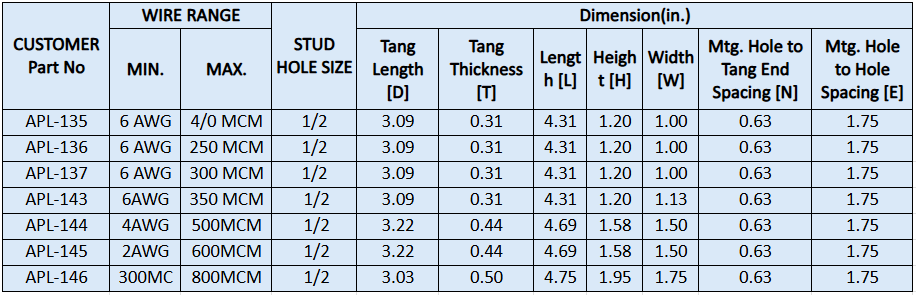
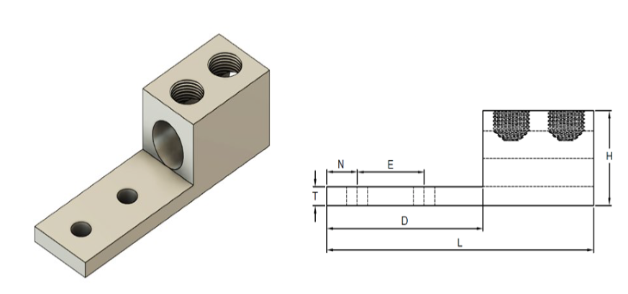
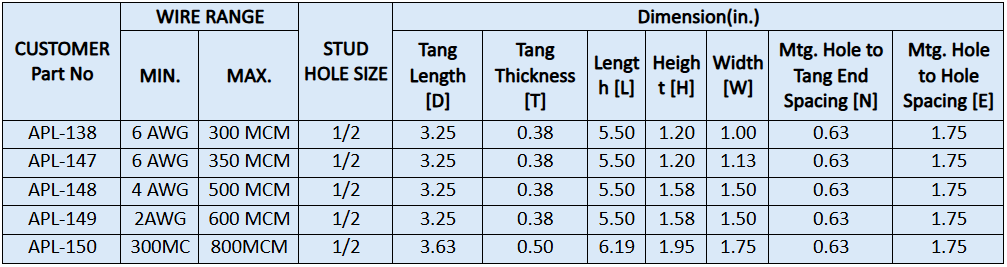
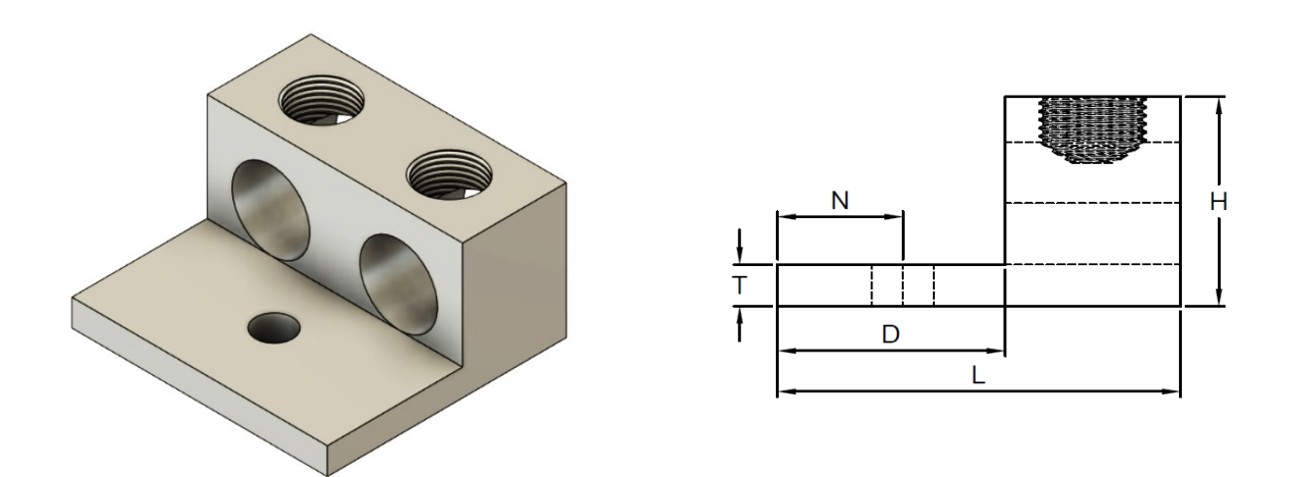
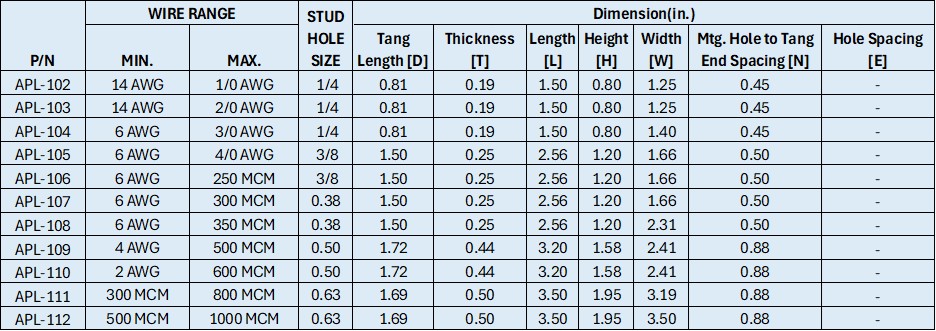
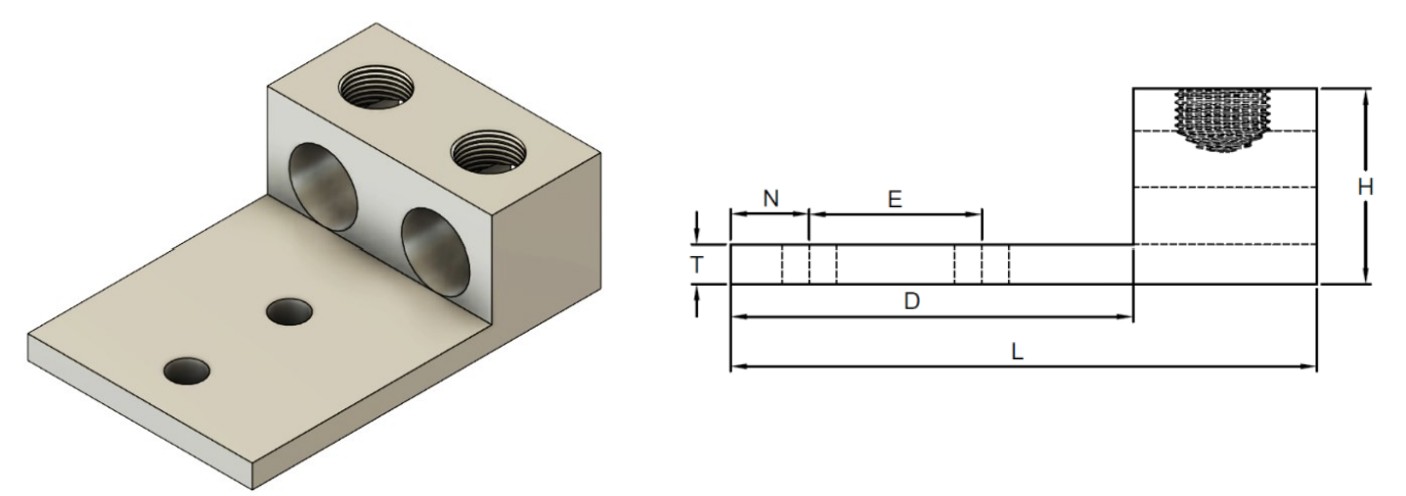
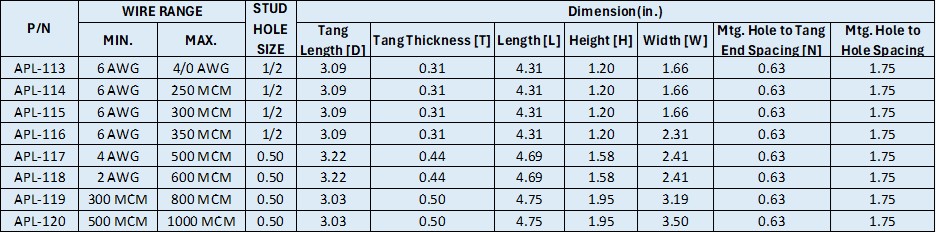
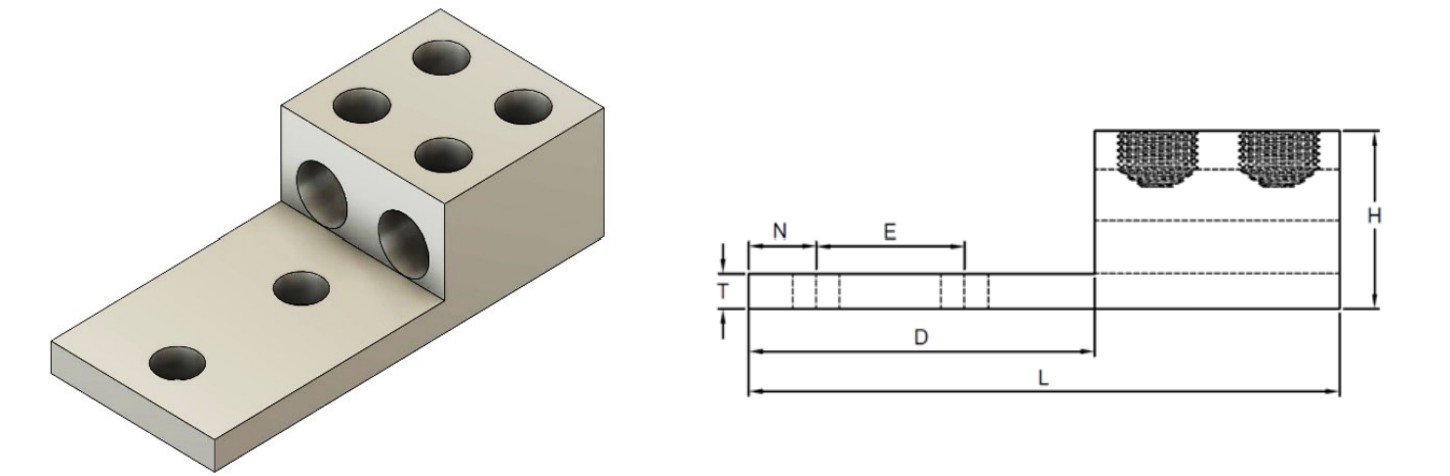
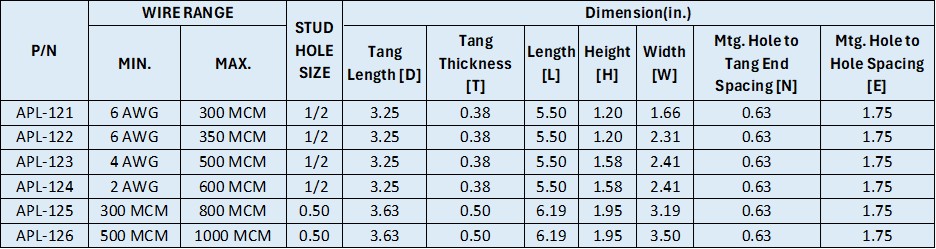
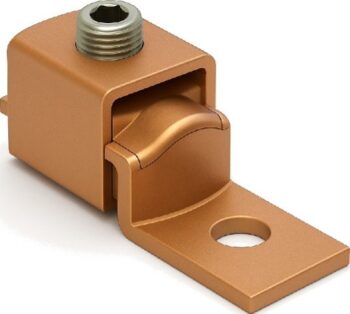
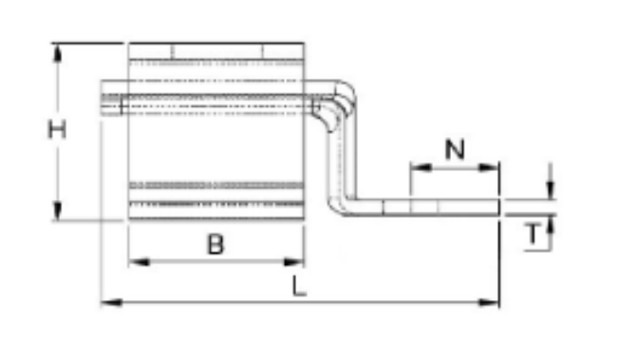
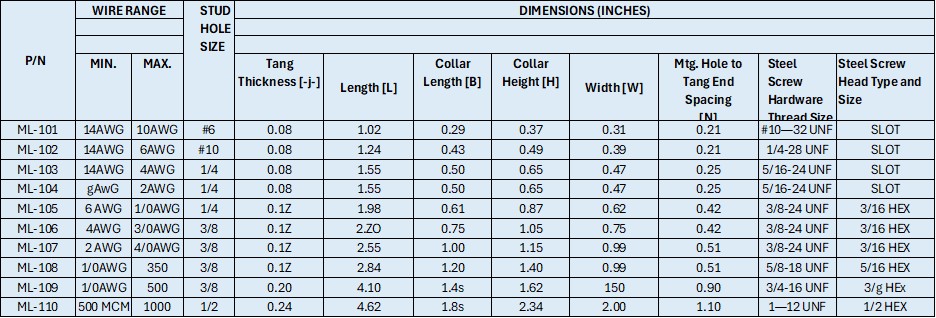
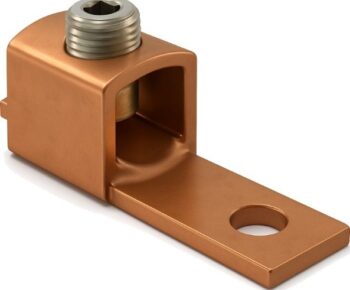
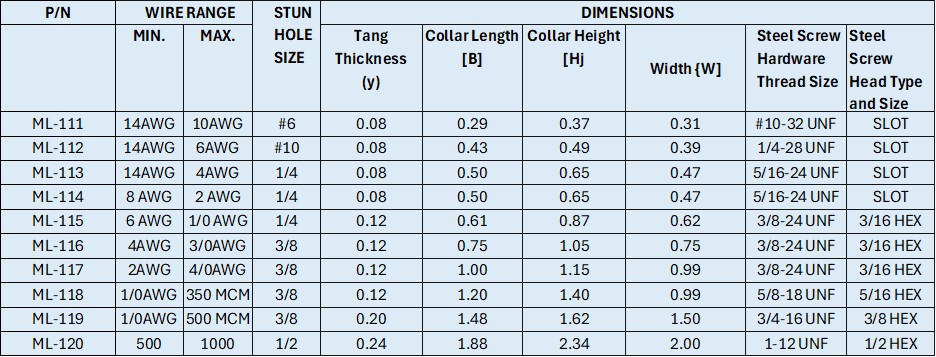
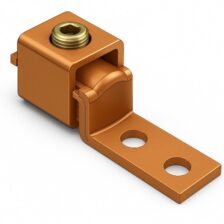
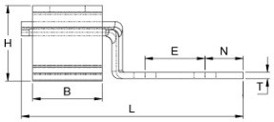
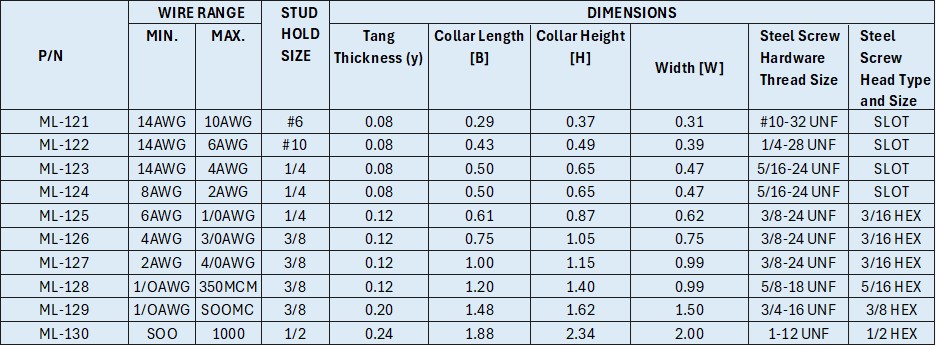
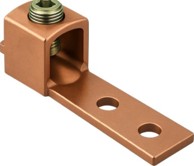
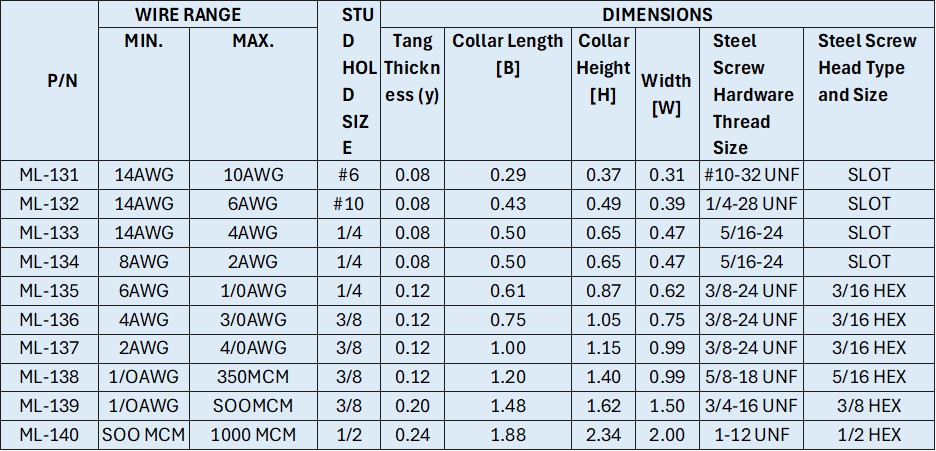
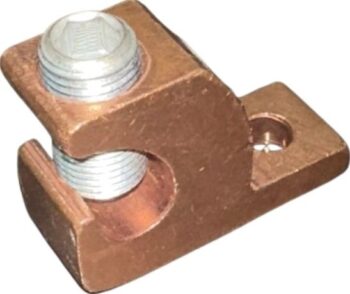
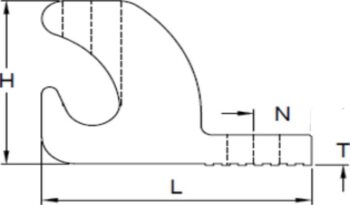
Mechanical lugs are electrical connectors designed to connect cables to equipment such as circuit breakers, switchgear, transformers, or busbars. Unlike crimp lugs, they do not require special crimping tools. Instead, the conductor is inserted into the lug and secured by tightening set screws (usually hex or Allen screws).
Types of Mechanical Lugs:
Single-conductor lugs – for one cable.
Multi-conductor lugs – allow two or more cables to be terminated in one lug.
Lay-in lugs – designed for quick installation without removing all screws.
Advantages of Mechanical Lugs:
Easy installation with simple tools (wrench or screwdriver).
Reusable (can be disconnected and reconnected).
Adjustable for different conductor sizes.
Ideal for field installations where crimping tools are unavailable.
Limitations:
Not as compact or permanent as crimp lugs.
May loosen over time if not torqued properly.
Slightly higher resistance compared to a well-executed crimp.