Shear Bolt Lugs and Connectors
1. What It Is
A shear bolt connector is a mechanical electrical conductor connector that uses one or more calibrated bolts designed to break, or shear off, at a specific torque during installation. This ensures a consistent clamping force and a reliable electrical connection without requiring heavy crimping tools or specialized equipment.
These connectors are commonly used to join medium voltage or low voltage cables, including copper and aluminum conductors, in power distribution systems, underground networks, and utility applications.
2. Design and Operating Principle
Shear Bolt Mechanism
The connector body is manufactured from a conductive metal, commonly an aluminum alloy, to provide high electrical performance and corrosion resistance.
One or more shear bolts pass through threaded holes in the connector body. These bolts are precisely engineered to shear at a predetermined torque once sufficient clamping pressure is applied to the conductor.
When the installer tightens the bolt using a standard wrench or impact wrench, the bolt head breaks off exactly when the correct torque is reached. This leaves a smooth surface and delivers uniform compressive force on the conductor.
Stepless Shear Technology
Some designs incorporate stepless shear bolts, which do not rely on predefined shear points in the threads. Instead, the bolt shears below the connector surface once the required contact force is achieved. This design minimizes sharp metal edges and improves installation consistency.
Optional Features
Friction discs or contact plates to protect fine stranded conductors and increase contact pressure
Centering rings to properly align smaller conductors within the connector body
3. Installation Process
Step 1: Prepare the Cable
Strip the insulation to expose the conductor. Clean the conductor to remove oxides, grease, or contaminants.
Step 2: Insert the Conductor
Insert the conductor fully into the connector cavity. Use centering accessories if provided.
Step 3: Tighten the Bolts
Using a standard hex socket or wrench, tighten each shear bolt.
Step 4: Shear Off
As the torque reaches the design value, the bolt head shears off flush with the connector body, creating a clean and secure joint.
No crimping dies or hydraulic tools are required.
Advantages of This Installation Method
Ensures consistent torque and contact force regardless of installer skill
Requires only basic hand tools
Suitable for aluminum, copper, or mixed conductor splices
Reduces installation errors compared to traditional compression connectors
4. Applications
Shear bolt connectors are widely used in:
Underground power distribution and splices up to 35 kV
Medium voltage cable terminations in utility and industrial systems
Transformer, switchgear, and distribution panel connections
Renewable energy installations, substations, and maintenance or repair work
5. Key Technical Benefits
Consistent Clamping Force
The shear action guarantees that the target torque is applied during every installation.
Tooling Efficiency
Standard wrenches can be used, eliminating the need for compression dies or hydraulic tools.
High Reliability
Provides strong pull out performance and low contact resistance.
Versatility
Compatible with a wide range of conductor sizes and materials.
Smooth Finish
The sheared bolt remains flush with the connector body, leaving no sharp edges.
6. Standards and Ratings
Many shear bolt connectors comply with recognized electrical connector standards such as ANSI C119.4, which addresses mechanical strength and electrical performance. They are typically rated for specific voltage classes, often up to 35 kV, depending on design and application.
Summary
A shear bolt connector is a mechanical electrical connector that uses calibrated, torque controlled bolts to ensure a secure, high integrity electrical joint. Its design simplifies installation, improves reliability, enhances safety, and makes it a preferred solution for utility and industrial cable connection applications.
| Feature | Crimping Lugs | Mechanical Lugs |
|---|---|---|
| Tool Requirement | Needs crimping tool (manual/hydraulic) | Only wrench/screwdriver |
| Connection Type | Permanent | Reusable/adjustable |
| Electrical Resistance | Very low (tight bond) | Slightly higher |
| Reliability | Excellent under vibration/heat | Good, but may loosen |
| Best Use | Large-scale, permanent, high-reliability systems | Field work, maintenance, flexible use |
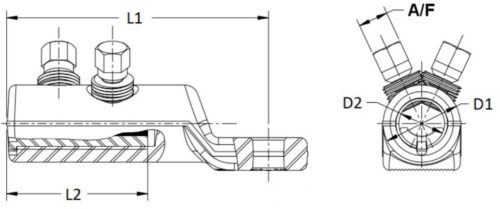
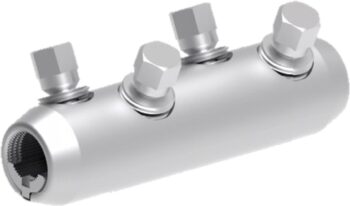
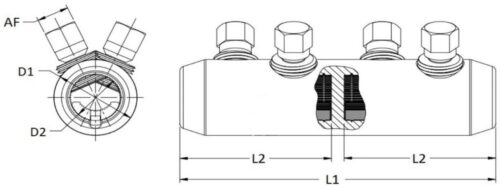
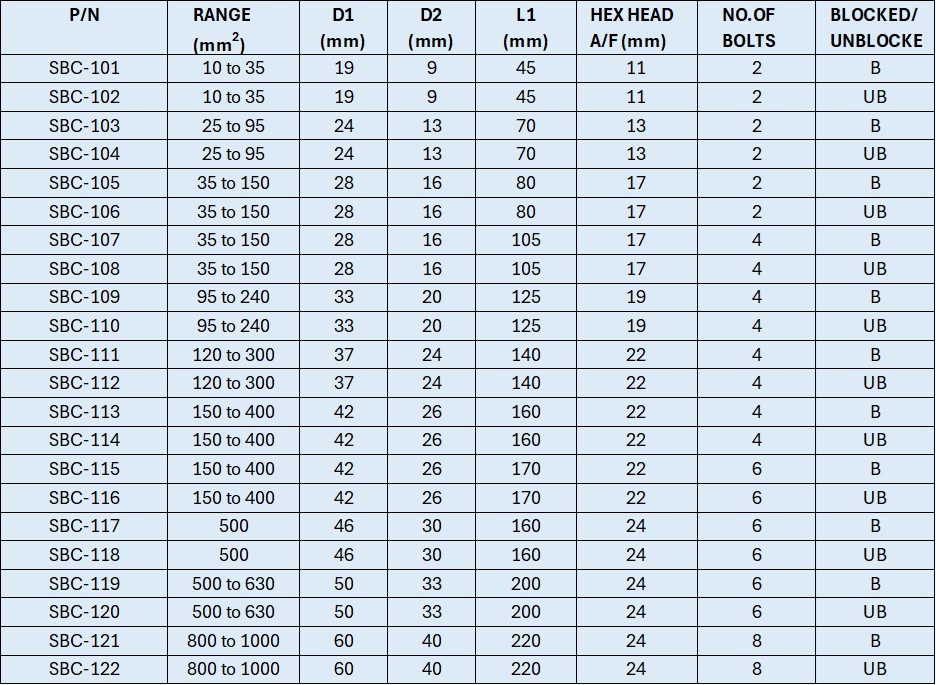
Shear Bolt Connector
Shear Bolt Lug