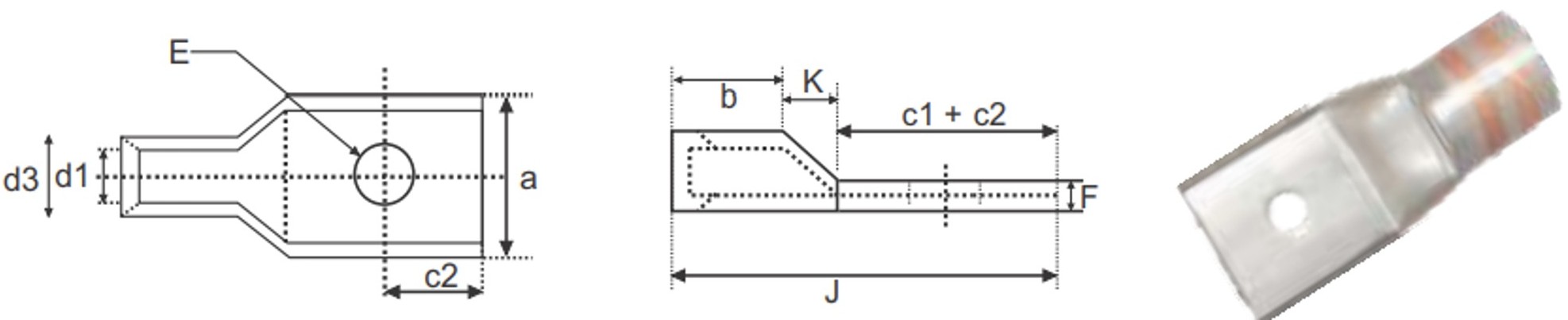
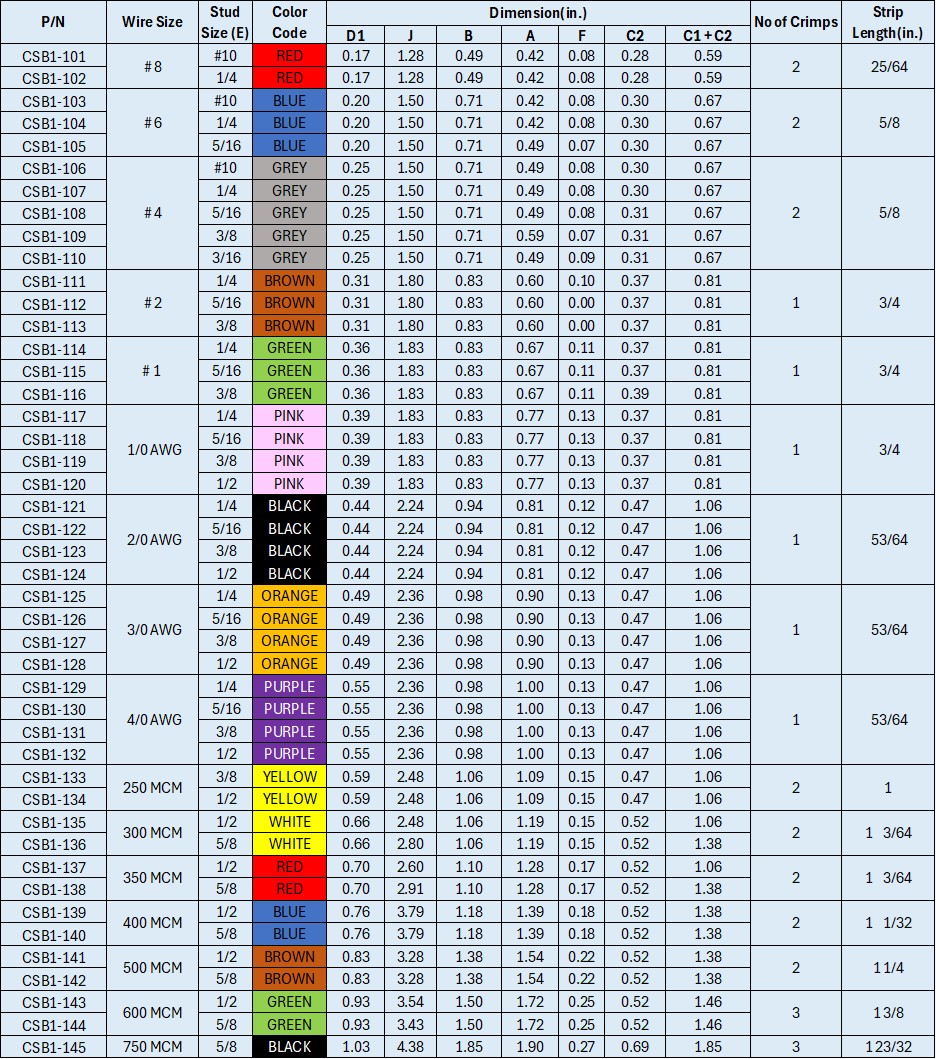
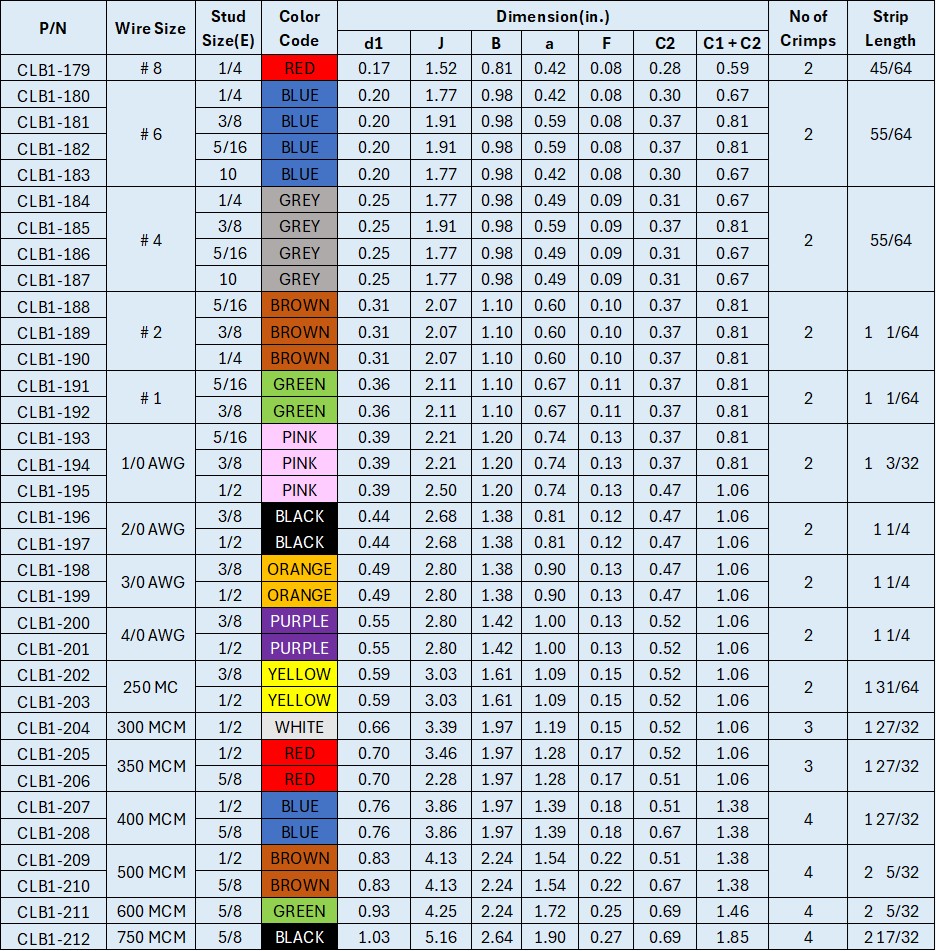
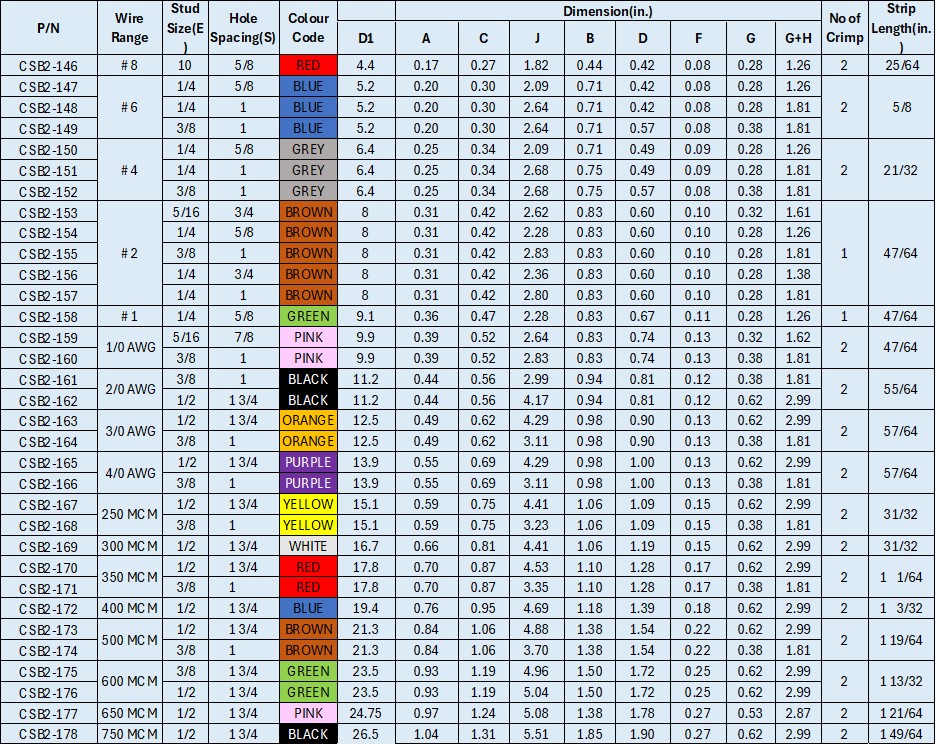
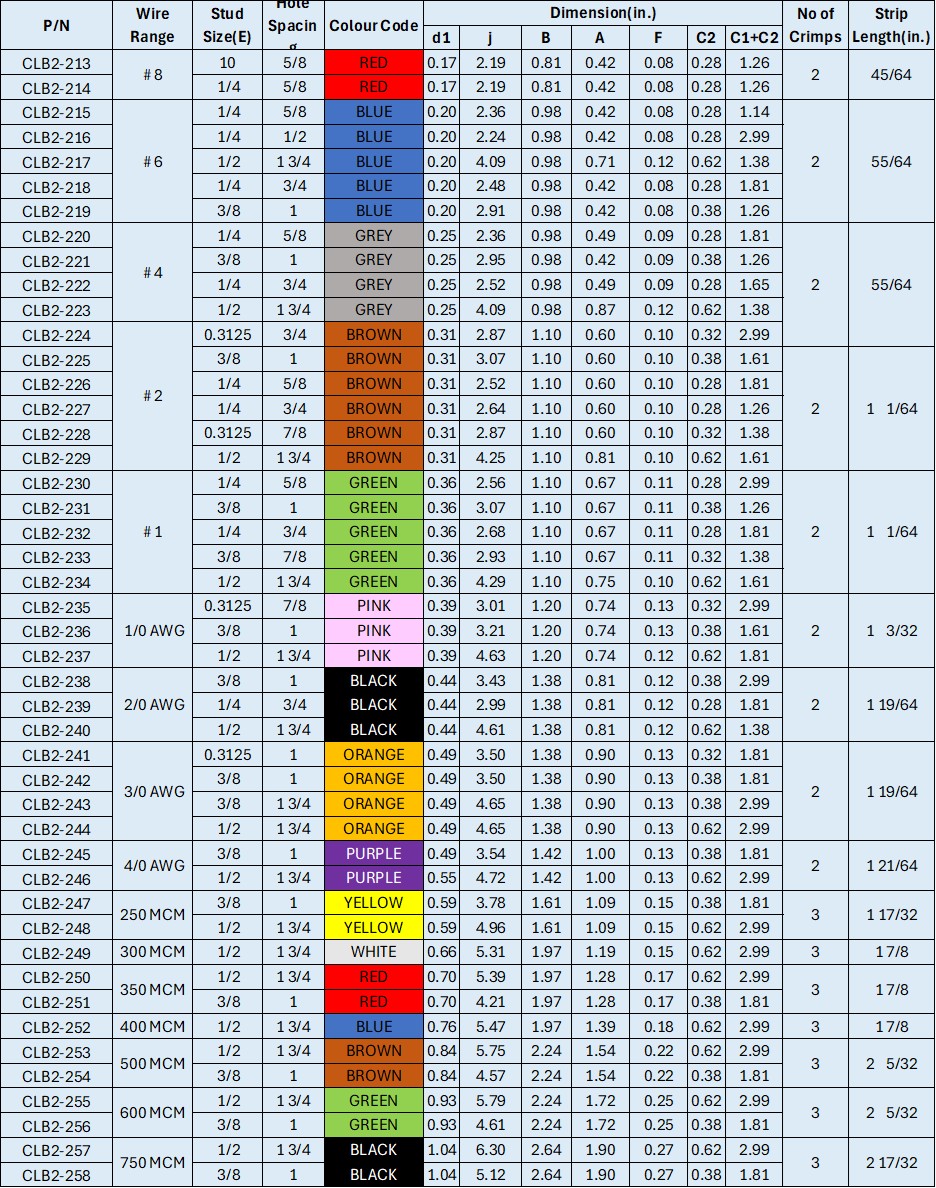
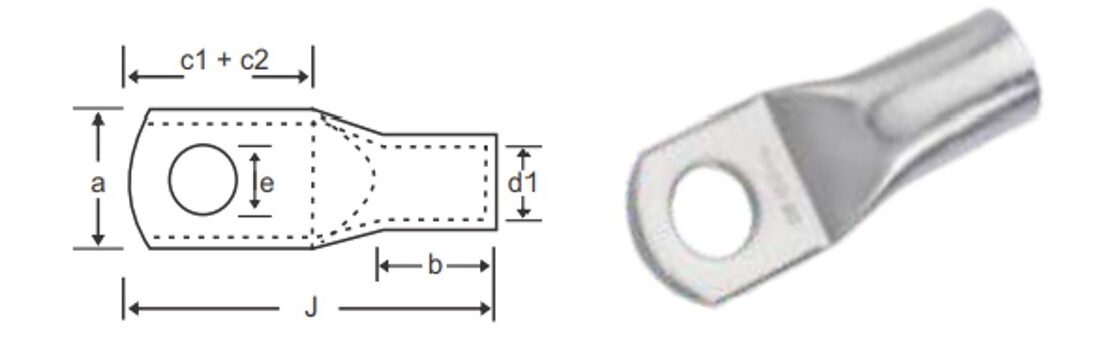
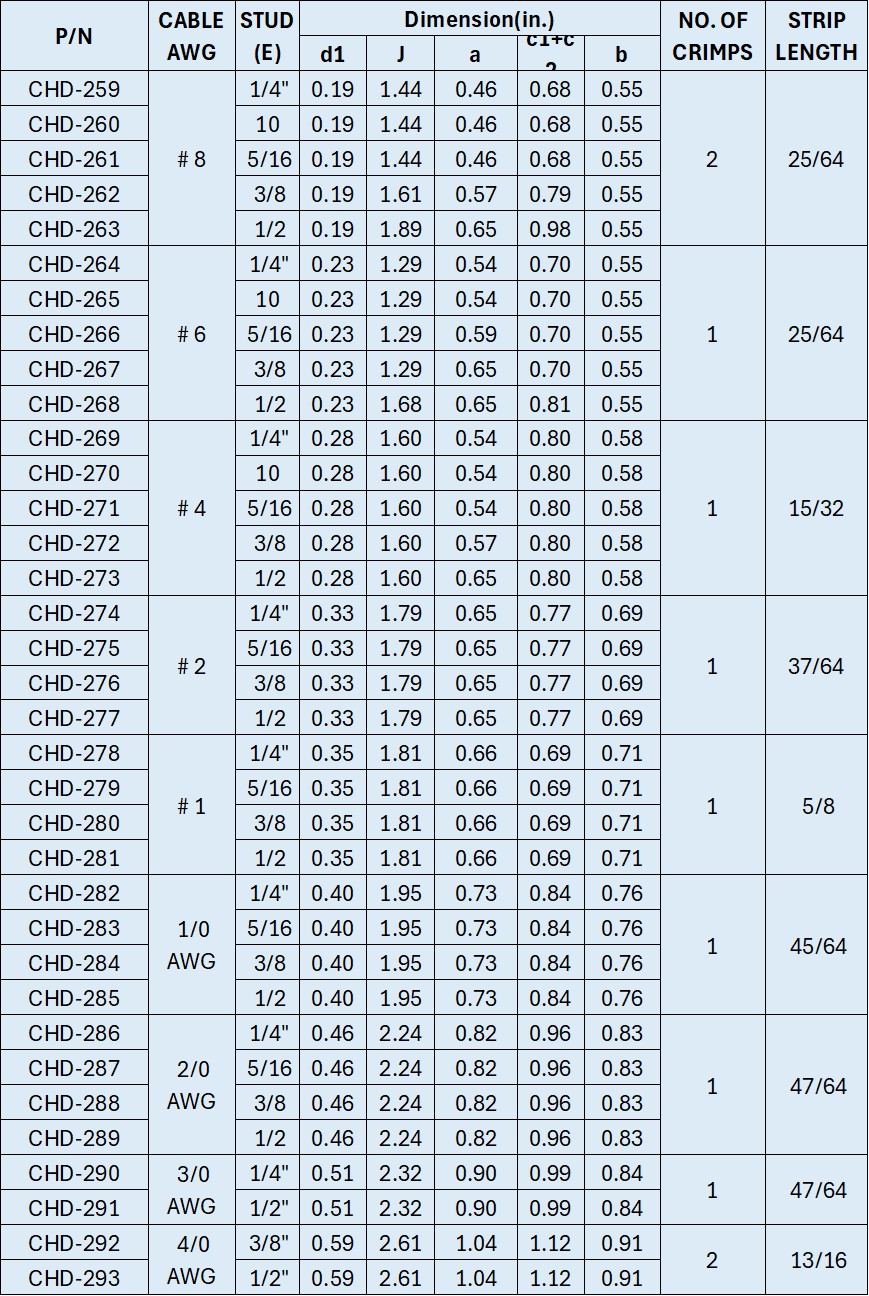
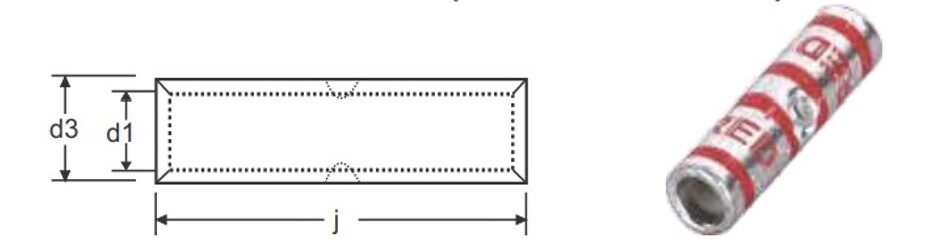
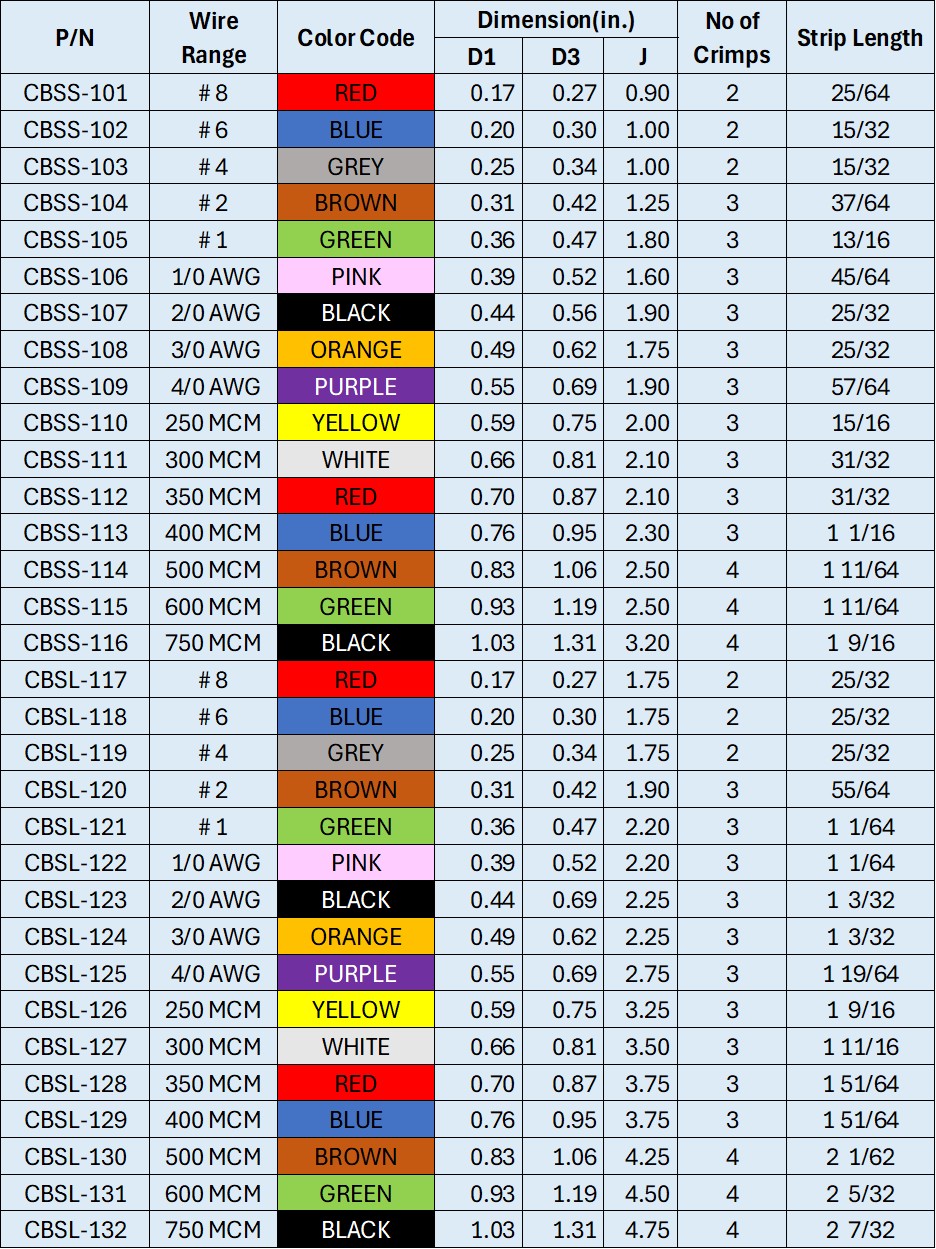
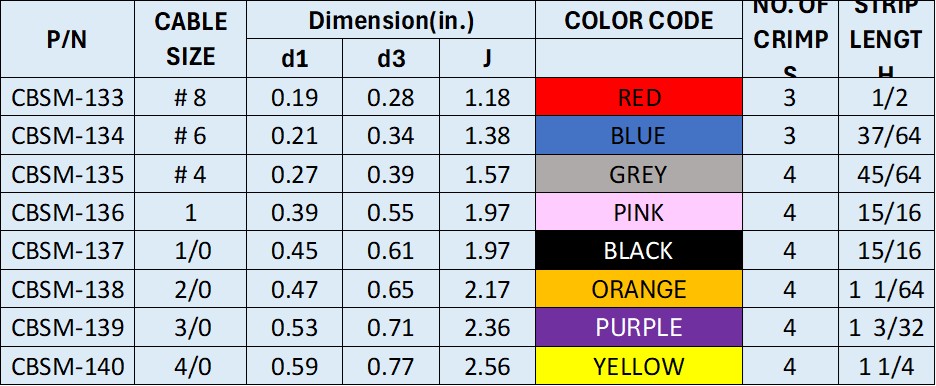
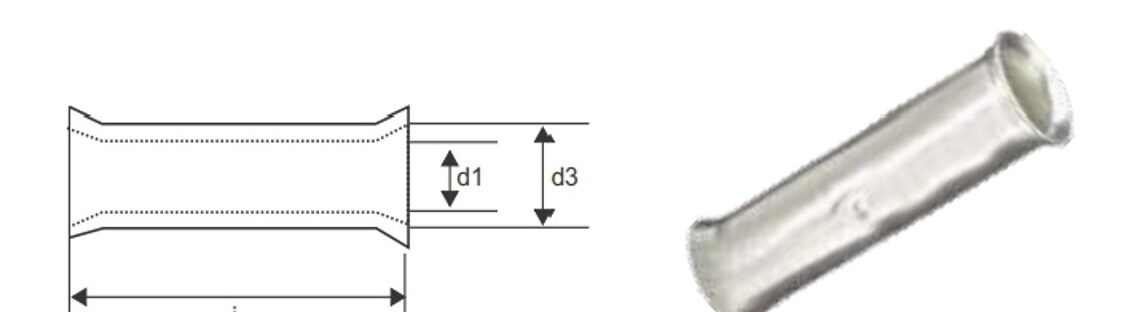
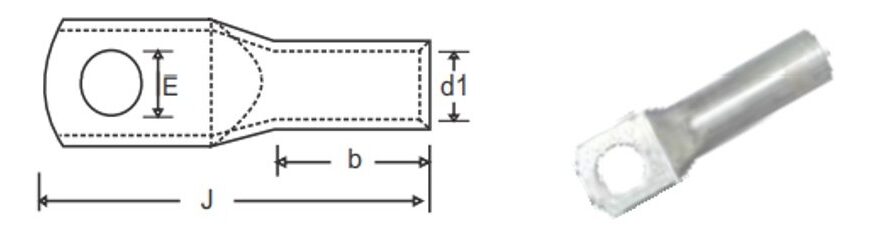
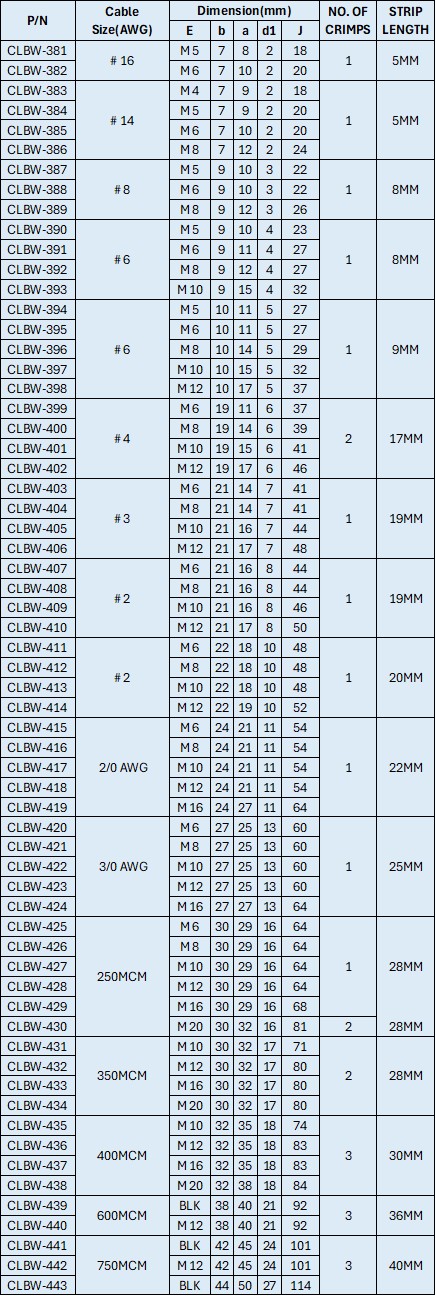
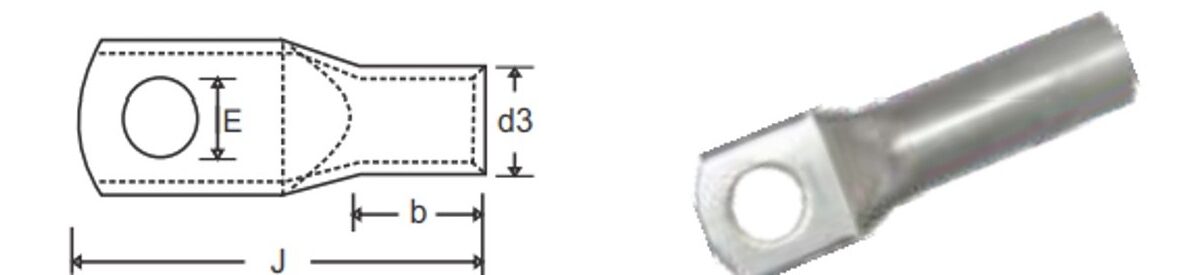
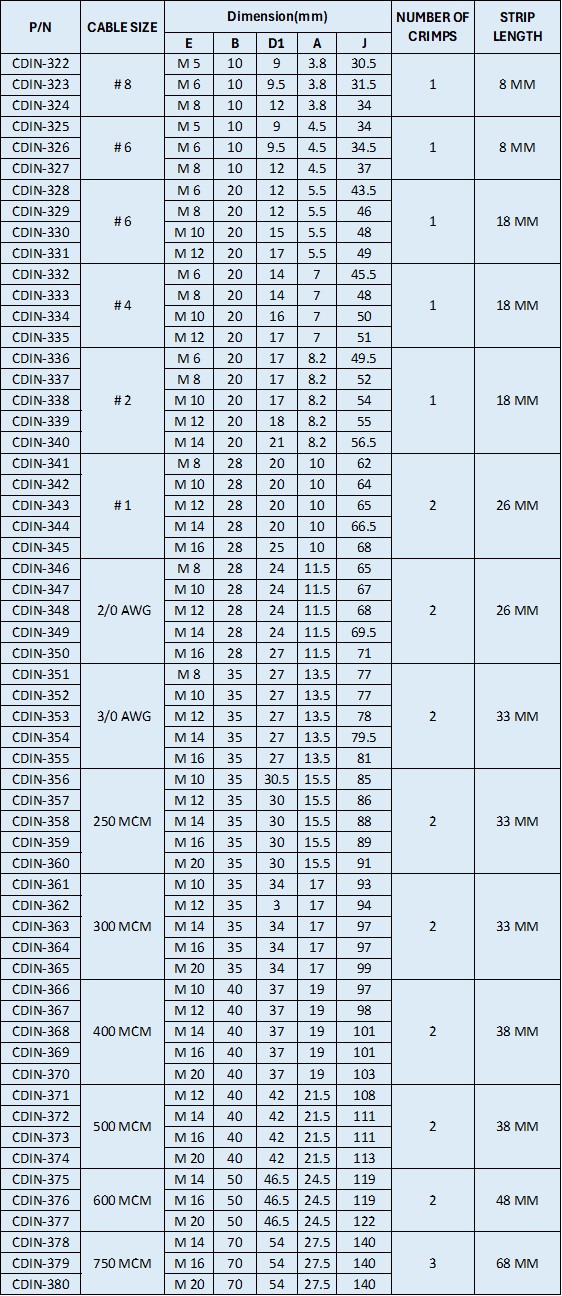
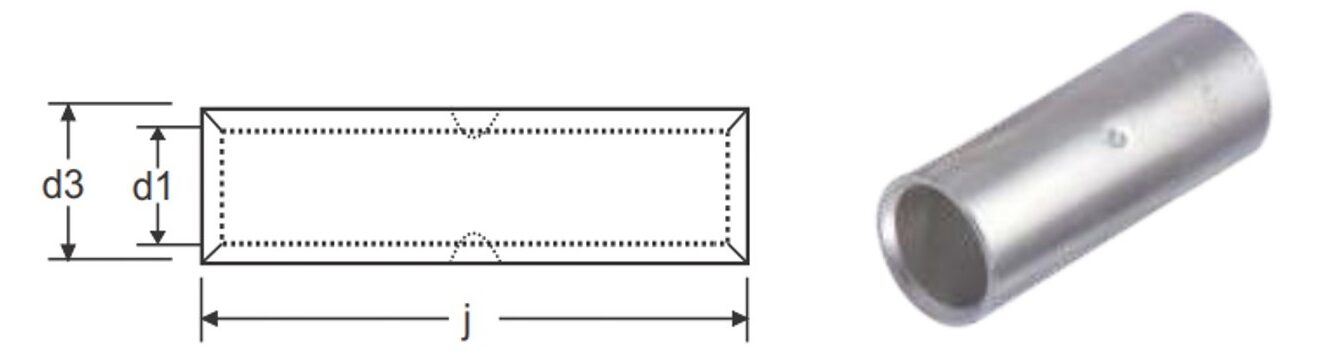
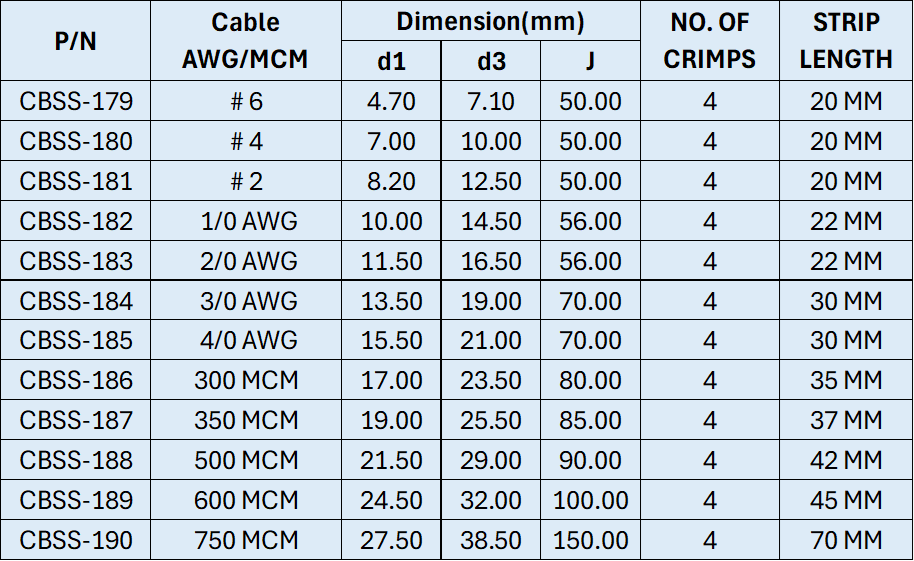
Crimping is a method of joining a cable (usually copper or aluminum) to a connector or terminal by mechanically deforming the connector around the conductor. It creates a secure, low-resistance, and vibration-resistant joint without the need for soldering.
Process of Crimping:
Strip the insulation from the cable end.
Insert the conductor into a crimp lug or terminal.
Use a crimping tool (manual, hydraulic, or pneumatic) to compress the lug onto the conductor.
The result is a permanent bond between cable and lug.
Advantages of Crimping:
Provides a strong mechanical and electrical connection.
Faster than soldering, especially for large cables.
Reliable under vibration and thermal cycling.
Ensures consistent quality when proper tools are used.