Earthing (also called grounding) is the process of connecting electrical installations to the earth through conductive materials. It provides a safe path for fault currents, helps stabilize voltage, and protects people and equipment from electric shock and lightning surges. Earthing systems consist of earth electrodes (rods/plates), conductors, and accessories that ensure a reliable, long-lasting connection between electrical equipment and the ground.
2. Earthing Rods
Earthing rods (or ground rods) are conductive electrodes driven into the earth to establish direct contact with soil. They are usually made from corrosion-resistant metals and ensure a low-resistance path for electrical faults.
Types of Earthing Rods:
Copper-Bonded Rods – Steel rods coated with copper for strength and corrosion resistance.
Solid Copper Rods – Highly conductive and durable, used in areas with high soil resistivity.
Galvanized Iron (GI) Rods – Economical option, suitable for normal soil conditions.
Stainless Steel Rods – Resistant to corrosion, often used in aggressive soil or coastal environments.
Key Features of Rods:
Available in lengths (1.2m, 2.4m, 3m) and diameters (14mm–25mm).
Can be extended using couplers for deeper soil penetration.
Provide long service life with proper installation.
3. Earthing Accessories
Earthing accessories are essential components used to install, connect, and maintain an earthing system.
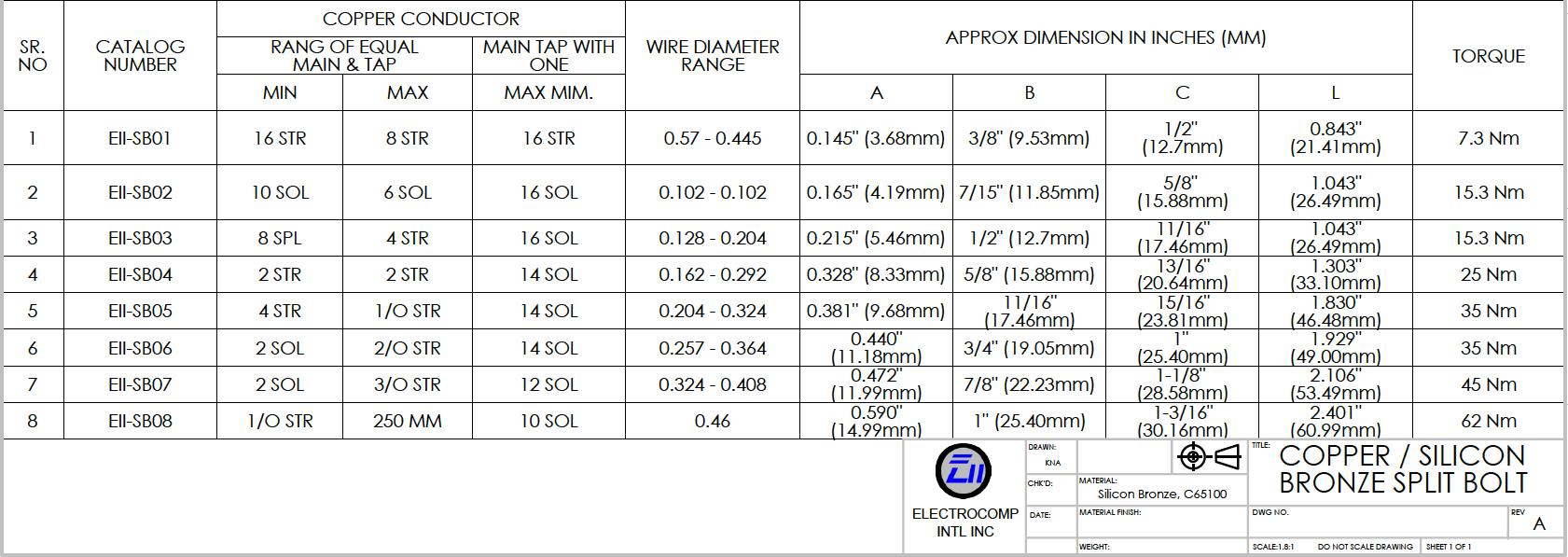
Clamps & Connectors: Secure the connection between earth conductors and rods (e.g., U-bolt clamps, gunmetal clamps).
Couplers: Join two or more rods to achieve greater depth.
Driving Heads: Protect rods during installation when hammered into the ground.
Inspection Pits (Chambers): Provide access to earth electrodes for testing and maintenance.
Earth Plates & Strips: Copper or GI plates/strips used for plate earthing or as main conductors.
Exothermic Welding Kits: For permanent, corrosion-free bonding of conductors.
Lightning Protection Accessories: Air terminals, bases, and bonding clamps for lightning earthing systems.
4. Benefits of Proper Earthing System
Ensures safety of people and equipment.
Provides a low-resistance path for fault currents.