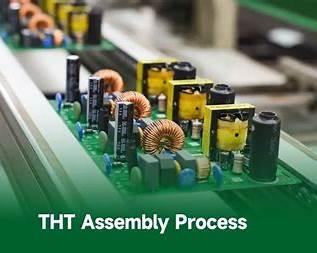
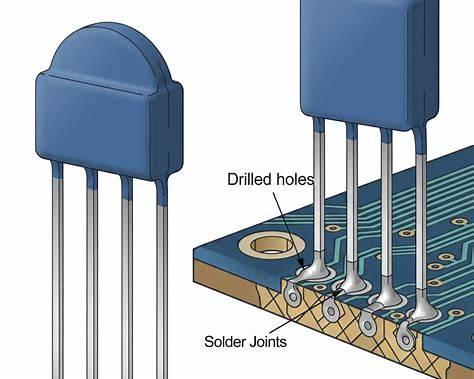
Used for connectors, transformers, large capacitors
6. Wave / Hand Soldering (THT)
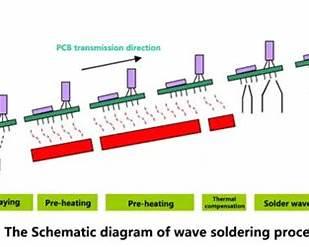
Wave soldering for mass production
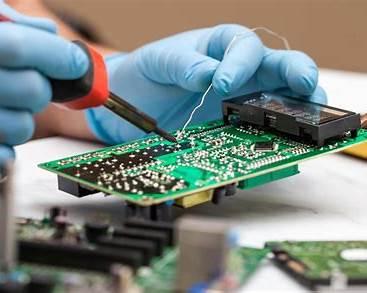
Hand soldering for prototypes or repairs
Solder bonds leads to pads
7. Inspection & Quality Control
AOI (Automated Optical Inspection)
X-ray inspection for BGAs
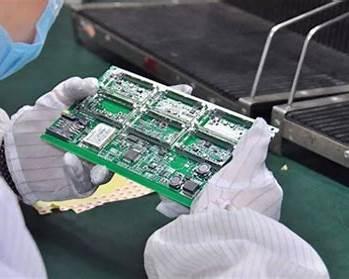
Visual inspection for solder defects
Checks for: Shorts, opens, misalignment
8. Electrical Testing
In-Circuit Test (ICT)
Functional Testing (FCT)
Confirms circuit operates correctly
9. Cleaning & Final Assembly
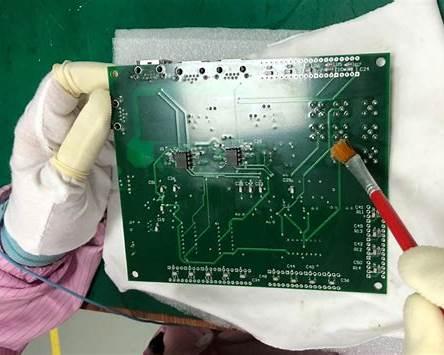
Flux residue removal
Final visual inspection
Preparation for coating or packaging
10. Conformal Coating
A thin, protective polymer layer applied to printed circuit boards (PCBs) that “conforms” to components and traces, shielding them from moisture, dust, chemicals, and corrosion.
Why It’s Used
Moisture & humidity protection
Corrosion resistance (salts, pollutants)
Prevents leakage & short circuits
Improves reliability in harsh environments
Extends product lifespan
Common Coating Types
Type
Best For
Pros
Cons
Acrylic (AR)
General electronics
Easy rework, fast dry
Moderate chemical resistance
Silicone (SR)
High temp, vibration
Flexible, wide temp range
Harder to remove
Urethane (UR)
Chemical exposure
Excellent chemical resistance
Difficult rework
Parylene (XY)
High-reliability
Ultra-thin, uniform
Expensive, special process
Conformal Coating Machine (Automated / Selective)
Typical use: Medium–high volume production
Key features:
Programmable XYZ motion
Precise needle/spray valves
Minimal masking required
Consistent thickness & repeatability
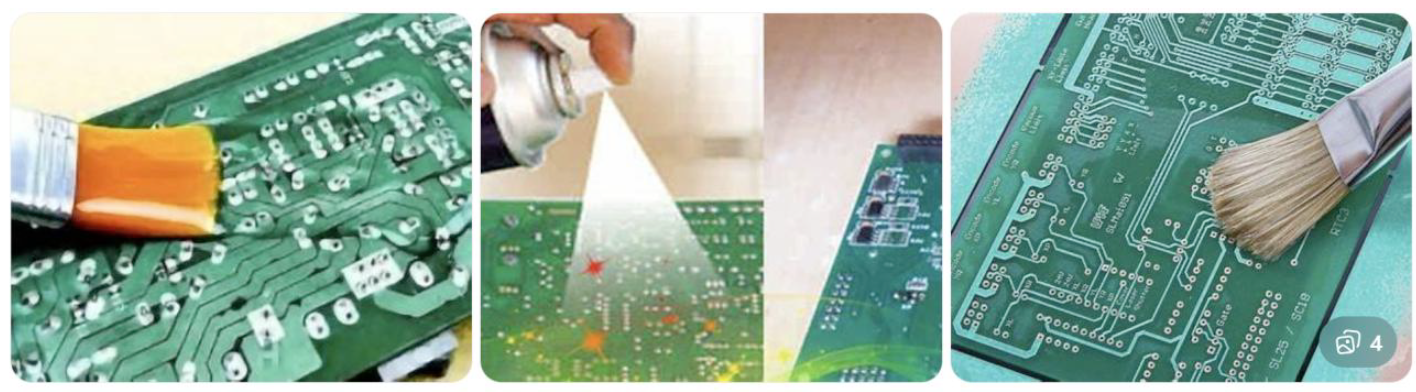
Conformal Coating Hand Application (Manual)
Typical use: Prototypes, rework, low volume
Key features:
Brush, aerosol spray, or syringe
Low equipment cost
Operator-dependent quality
Box Build PCB Assembly
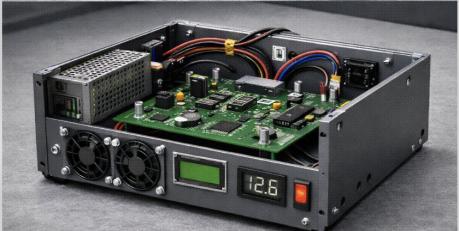
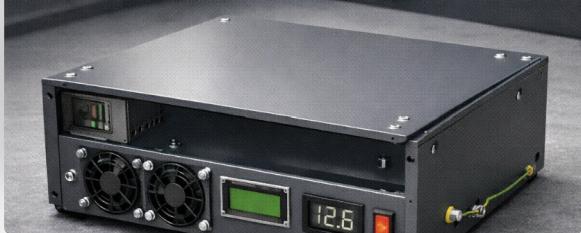
What PCB Box Build Consists Of
PCB mounted inside enclosure (metal or plastic)
Wiring & cable harnesses (connectors, terminals)
Mechanical assembly (standoffs, brackets, screws)
Power supplies, switches, fans, displays (as required)